HAVN's new HS 360 VGPU drew five reviews in a matter of days, and the scores ranged wildly from KitGuru's 8/10 to TechPowerUp's perfect 10/10. Everyone praised the build quality and cooling, but the magnetic airflow divider split critics. The rest of the today's roundup was lighter going: Tom's Hardware called the HyperX Omen 35L a polished prebuilt that's too pricey to start, Windows Central says the $999.99 Xbox Ally X still earns its love thanks to FSR 4.1, and igor'sLAB found CORSAIR's PureVector mouse concept promising but unproven.
Five outlets scored HAVN's new HS 360 case from 8/10 to 10/10, and a glass flap is the reason they disagree
A dozen reviews across five categories landed within the same few days in late October 2026. This one's about a PC case, though the case is only the beginning.
It's rare for a single PC case to draw five reviews in a day, let alone five that disagree this badly. HAVN's new HS 360 VGPU went to reviewers from eTeknix to TechPowerUp, and the numbers tell the story right away. You've got a perfect 10/10 from TechPowerUp, a 93% "Recommended" from TweakTown, and a much more guarded 8/10 from KitGuru. Everyone agrees it looks great and cools well. They just can't agree it's worth the money.
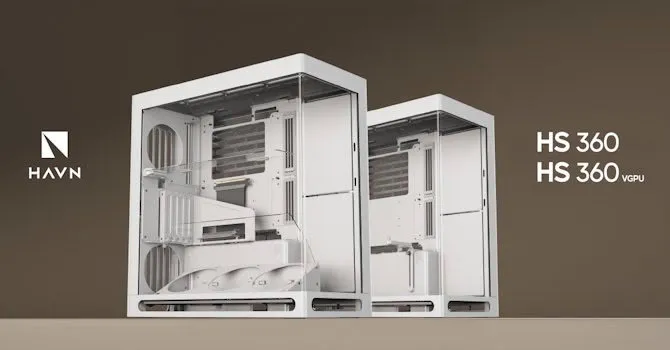
The HS 360 is the smaller, tauter successor to HAVN's award-winning HS 420. The company shrank the chassis, traded 140mm-fan support for 120mm, added rear-connector (BTF) motherboard support, and tightened the glass bend. It's roughly 19.4% smaller and about 29.5% lighter than its predecessor. That part of the story is unanimous.
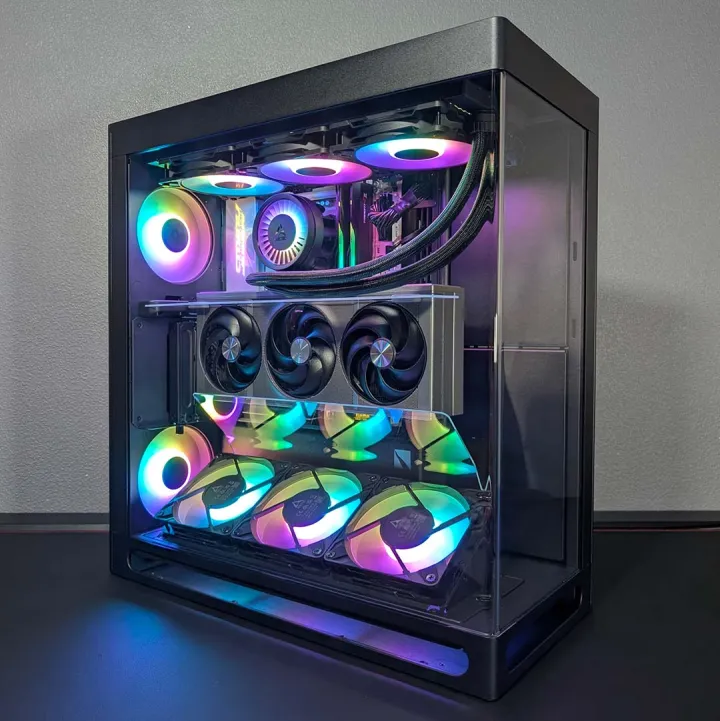
Where the five reviews split is the magnetic airflow divider. This is the glass guide that aims air at the vertically mounted GPU. HAVN and eTeknix claim it drops GPU temps by up to 7.5°C. Club386 removed it in its own test and saw temps creep from about 51°C to 55°C, real, but shy of the advertised delta, and admitted it's a fingerprint magnet. KitGuru was the lone holdout. They measured "the small effect from the glass guide" alongside the "complete lack of benefit from the new glass divider," and said the case "could do without those parts."
eTeknix: HAVN HS 360 VGPU White PC Case Review
HAVN has quickly established itself as a premium case brand within the PC building community by delivering award-winning case designs that blend next-level aesthetics with high-end functionality.
KitGuru: HAVN HS 360 VGPU Case Review
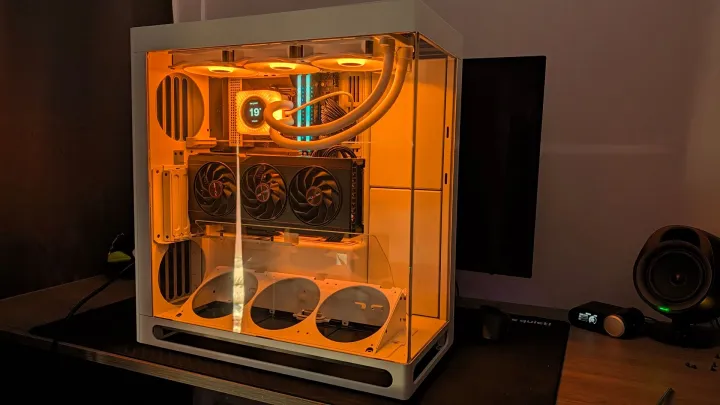
James reviewed the HAVN HS 420 two years ago and now we have a version called HS 360 that ditches support for 140mm fans. HAVN has used the time to make a number of other changes, so while the HS 360 looks like a smaller version of HS 420 there are a number of tweaks and updates that we will focus on in our review. The most significant of those is the support for rear connection motherboards…
TweakTown: HAVN HS360 VGPU Mid-Tower Chassis Review
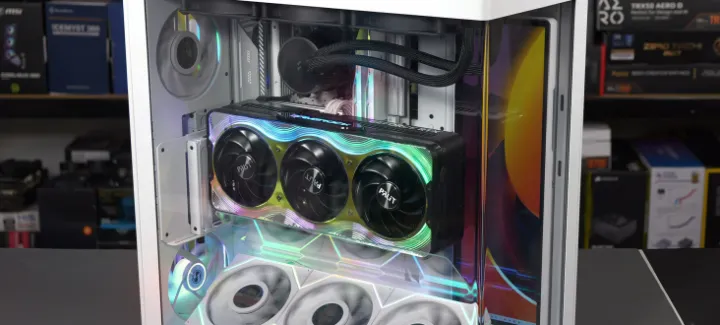
The HAVN HS360 VGPU is a smaller take on the HS420 VGPU, with strong thermal performance, improved build quality, and BTF motherboard support.
TechPowerUp: HAVN HS 360 VGPU Review
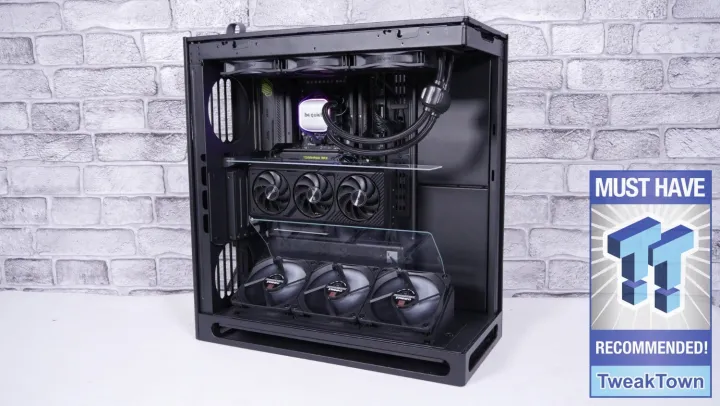
The HAVN HS 360 VGPU is a more refined and compact HS 420 VGPU, cutting noise and vibration while boosting vertical GPU cooling with smart airflow features. It includes a PCIe Gen 5 riser cable, rear-connector motherboard support, and a clearer panoramic glass panel for a sleek home to a high-end PC.
Club386: HAVN HS 360 VGPU review: an innovative, air-bending PC case
Boasting beautiful build quality and unique cooling enhancements, the HS 360 VGPU is a breath of fresh air in the world of PC cases.
HAVN HS 360 VGPU review: an innovative, air-bending PC case | Club386
The rest of the today's reviews
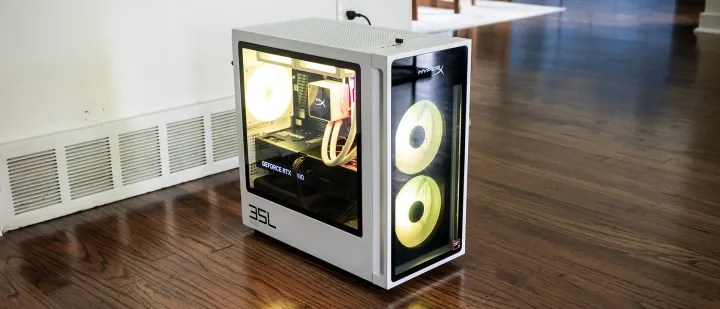
Tom's Hardware calls the HyperX Omen 35L "a polished gaming PC for deep pockets." The design is a sharp black-and-white affair, 4K performance is strong, and it runs quiet. Tom's Hardware's test rig, a Ryzen 9 9950X3D with an RTX 5080, was valued at about $6,211, while entry models start near $1,939.99. That starting price is the sticking point. For a machine at this tier, the absence of USB4 and Thunderbolt 4 also reads as a gap.
Tom's Hardware: HyperX Omen 35L review: A polished gaming PC for deep pockets
The HyperX Omen 35L pairs a fresh black-and-white design with excellent gaming performance, but its entry-level configurations are too pricey.
HyperX Omen 35L review: A polished gaming PC for deep pockets
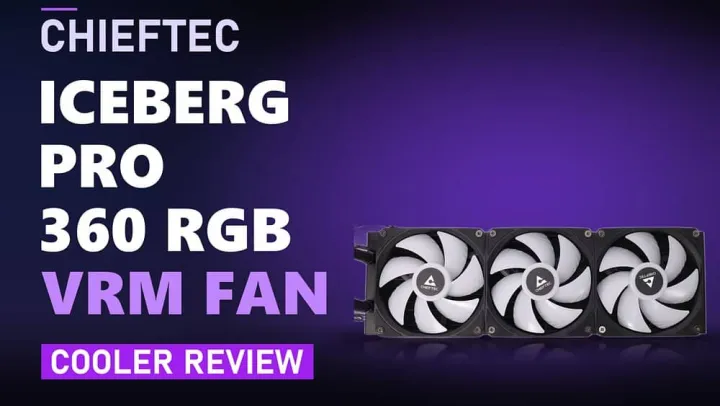
HWBusters handed the Chieftec Iceberg Pro 360 RGB AIO a solid 8.3/10. Two things set it apart: three interlocking radiator fans wired in a simple daisy-chain, plus a separate centrifugal VRM fan on the pump head with its own PWM control. There's no LCD screen, which Chieftec plainly preferred over a gimmick. It earned a Cybenetics THETA Gold rating on an AM5 platform against 22 other published 360mm coolers, lands around $93.60 equivalent, and carries a three-year warranty. Installation is the weak spot, fitting the AMD brackets to the pump is "less convenient" — but on raw cooling it does the job.
HWBusters: Chieftec Iceberg Pro 360 RGB AIO Review
Chieftec's Iceberg Pro 360 RGB adds interlocking fans and a VRM fan. I test its AMD cooling, noise, installation, and value against 22 other liquid coolers.
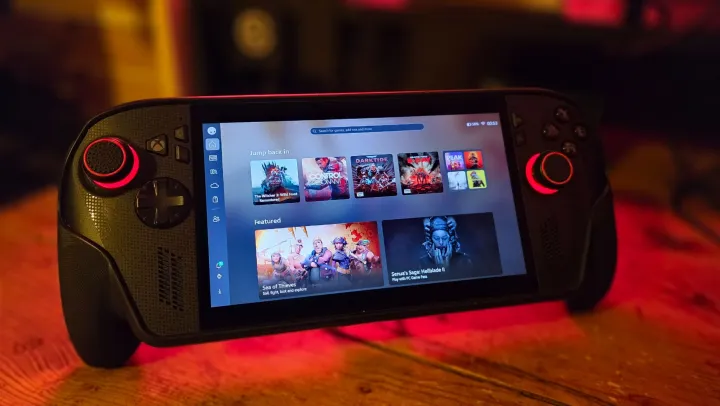
Windows Central's Jez Corden still adores the $999.99 Xbox Ally X. The headline feature now is FSR 4.1, a heavier upscaling model than FSR 3 that lets quality modes run at usable framerates in demanding titles like Cyberpunk 2077 and Gears of War: E-Day. You're looking at roughly 40 to 60 FPS at 1080p out of the box in most games, with battery life holding up a year in at roughly 4 to 5 hours in 13W silent mode. The friction is all software now: docked-to-TV is "particularly painful," basic Windows tasks still want a mouse, and there are lingering rumors about thumbstick reliability.
Windows Central: A year later: Xbox Ally X re-review — Is it worth $1000 a year in?
The Xbox Ally X is a year old as of this October. It has somehow escaped price increases (so far), but is this pint-sized gaming beast worth it?
A year later: Xbox Ally X re-review — Is it worth $1000 a year in?
NikKTech frames the Sapphire PULSE RX 9070 GRE 12GB OC as the mature, well-understood purchase rather than a launch-day gamble. It's a custom upper-midrange card built on the Navi 48 / RDNA 4 silicon with 48 compute units, 12 GB of GDDR6, and a 220W board power target well under the 9070 XT. It uses Honeywell PTM7950 thermal paste and runs clocks up to 2790 MHz boost. Full benchmark numbers sit behind the intro page, but the signal is clear: RDNA 4 features including full FSR 4 support at a lower TDP and price than the XT.
NikKTech: SAPPHIRE PULSE AMD Radeon RX 9070 GRE 12GB OC Graphics Card Review
Built around AMD's Radeon RX 9070 GRE graphics processor, the SAPPHIRE PULSE model arrives as a carefully tuned interpretation of RDNA 4, targeting users who want a modern gaming experience backed by SAPPHIRE's well-established cooling and board design expertise.
SAPPHIRE PULSE AMD Radeon RX 9070 GRE 12GB OC Graphics Card Review
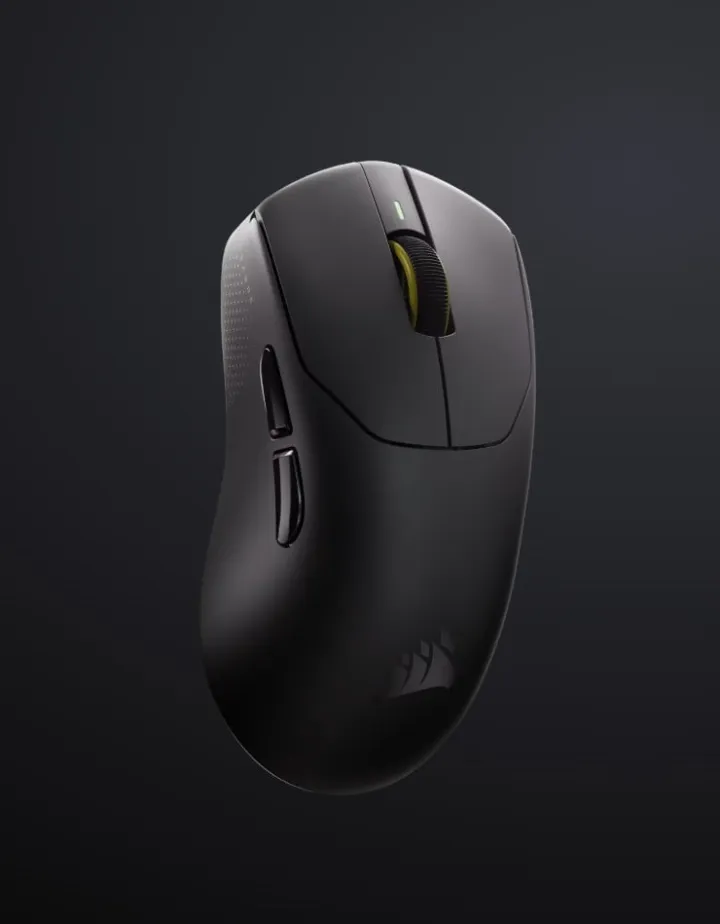
igor'sLAB approached the CORSAIR SABRE v3 PRO PureVector with measured skepticism, which is the right posture. The idea is a roughly five-minute Aimlabs calibration that builds a personal movement profile stored in the mouse and applied across games, though it's not automatic aim assist. The hardware is good: the MARKSMAN-X sensor, up to 8,000 Hz, optical switches rated for 100 million clicks, about 40 grams. But the reported aiming benefit doesn't hold up under scrutiny. Aimlabs SpiderShot showed PureVector runs faster, yet the run averages were nearly tied and the study couldn't isolate the feature at all. At €179.99, you're paying for a promising idea that hasn't proven itself.
IgorsLAB: CORSAIR SABRE v3 PRO Review: PureVector Impresses
The SABRE v3 PRO impresses with its low weight, ergonomics and battery life.
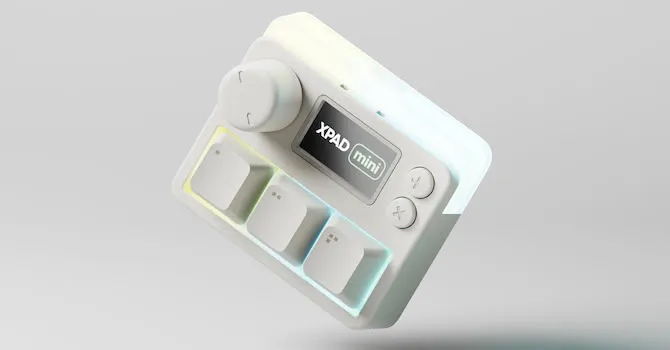
TechPowerUp's take on the Pulsar XPAD Mini is the opposite, a small, affordable tool that knows exactly what it is. It's a roughly 67 × 57 × 32 mm keypad geared mostly toward rhythm games like osu! and Geometry Dash, with magnetic switches, an EC11 rotary knob, an LCD, and a full web driver called BIBIMBAP. At $39.95 with a two-year warranty, it's a no-brainer for the niche it targets.
TechPowerUp: Pulsar XPAD Mini Review
The Pulsar XPAD Mini is a gaming keypad mainly developed for rhythm games, featuring three magnetic switch keys as well as a knob. There are two buttons and an LCD for on-device settings, a web driver enables additional configuration. 8000 Hz polling, rapid trigger, and a 0.01 mm actuation point are also on board.