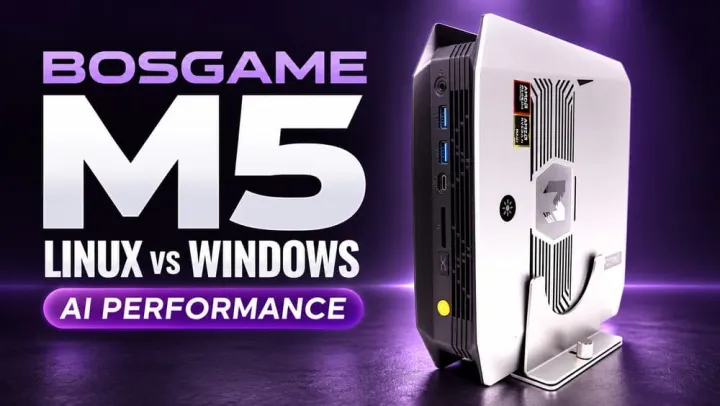
A BOSGAME M5 mini PC runs local AI inference 33% faster on Ubuntu than Windows 11, with the biggest gain in first-token latency. Corsair's NAUTILUS II 360 RS ARGB AIO earns an 8/10 at $129.99 for strong cooling without forcing you into the iCUE ecosystem. Control Resonant stands out as a punishing GPU test, showing the RTX 5090 as the only card with comfortable 4K reserves without heavy frame generation. The through-line across the roundup is value, with budget hardware delivering more per dollar and one premium title reminding you where you still have to spend.
Ubuntu trims 33% off local AI latency on a Strix Halo mini PC, in a roundup that also runs the cheapest B860 board and a cooler that skips iCUE
Four hardware reviews landed today, and the common thread isn't raw performance. It's value. A Strix Halo mini PC runs faster on free Linux, a budget AIO dodges the software tax, and a $120 motherboard packs more features than pricier rivals. There's one exception. That comes next.
Hardware Busters found that the BOSGAME M5 finishes a long Qwen prompt in 25.27 seconds on Ubuntu 26.04.1, versus 37.94 on Windows 11. That's a 33% cut in total time. The part you actually notice is the first token, which arrives roughly 11 seconds sooner on Linux.
For a local assistant, that gap is everything. The tester was prepping the M5 for public data assistants called Cybi and Buster, so latency isn't a benchmark footnote here. It's the product.
The rig uses AMD's Ryzen AI Max+ 395 (Strix Halo) with 128 GB of shared memory, 96 GB of it handed to the iGPU in the BIOS. Ubuntu 26.04.1 on kernel 7.0.0-38 with Xfce and Mesa/RADV 26.0.8 ran llama.cpp on both Vulkan and HIP/ROCm builds. Two Qwen3 models, an 8,192-token context, fans pinned at 80%. It scored 9 out of 10.
Keep in mind the ASUS GX10 still wins in absolute terms, but Linux narrows that gap a lot. And here's a nice detail: the M5's fan control was broken as shipped. A free FanControl plugin pulled full-load temps from 89.8°C down to 81.5°C. So Linux is faster, and free software fixed the heat. Not a bad combo.
Hardware Busters: BOSGAME M5 on Ubuntu: 33% Faster Local AI Than Windows 11
I moved my BOSGAME M5 from Windows 11 to Ubuntu: a long Qwen3.8 answer now takes 25.3s instead of 37.9s. Vulkan vs ROCm, temperatures, memory and the GX10.
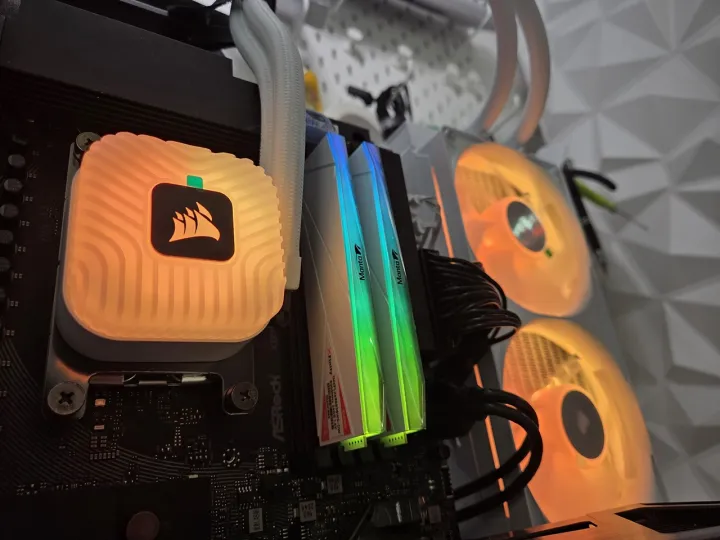
Corsair's NAUTILUS II 360 RS ARGB lands at $129.99 and quietly skips the iCUE ecosystem. Funky Kit's Winston Chim scored it 8 out of 10, with cooling performance earning the top mark at 9. You get a FlowDrive 2S pump, three RS II ARGB fans with 32 LEDs each, tool-free backplates for AM4/AM5 and Intel LGA, and a single "Uniframe" body that joins the radiator to the fans. It runs on standard 5V ARGB and a 4-pin PWM header. No iCUE LINK needed.
It does have one real annoyance. The pump cover doesn't rotate, which bites when you're angling a block inside a cramped case. At roughly $130 you aren't buying software polish. You're buying temperature headroom. Tested on a Ryzen 9 9950X in an ASRock X870E Taichi, it maxed near 36 dBA under full load. Fine for a budget build.
Funky Kit: Corsair NAUTILUS II 360 RS ARGB Liquid CPU Cooler Review
The CORSAIR NAUTILUS II RS ARGB is essentially CORSAIR's mainstream, performance-focused AIO cooler. It's aimed at users who want good liquid-cooling performance, ARGB lighting and easy installation without paying for an LCD pump display or a complicated iCUE ecosystem.
Corsair NAUTILUS II 360 RS ARGB Liquid CPU Cooler Review - Funky Kit
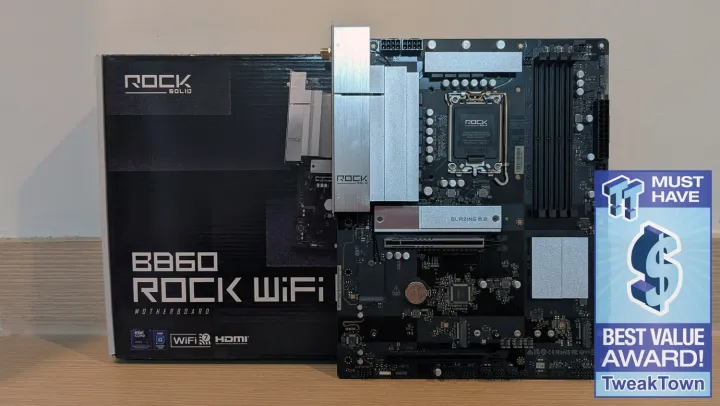
Then there's the ASRock B860 Rock WiFi 7. At $120 it's the cheapest B860 board on Newegg right now, and TweakTown gave it 89% with a perfect 100% on value. For that money you get WiFi 7, Bluetooth 5.4, 2.5G LAN, a PCIe 5.0 x16 slot, a PCIe 5.0 M.2, and four DDR5 slots running up to 256 GB at 8666+ MT/s with overclocking. Rivals in the $130 to $140 range don't bundle WiFi 7 and 2.5G LAN at this price.
The trade-offs are exactly what you'd expect. USB tops out at 5Gbps, and the BIOS is two years past needing a graphical overhaul. VRM temps hit a respectable 60°C over a 20-minute Cinebench loop. One caveat: LGA 1851 is heading to end of life, which matters little for a board you build a family PC on and never upgrade.
TweakTown: ASRock B860 Rock WiFi 7 Review - A competent board for a budget build
ASRock's entry-level B860 board isn't a stunner, but it includes WiFi 7, and its $120 price makes it worthy of consideration for budget builds.
ASRock B860 Rock WiFi 7 Review - A competent board for a budget build
And the one place you still have to spend
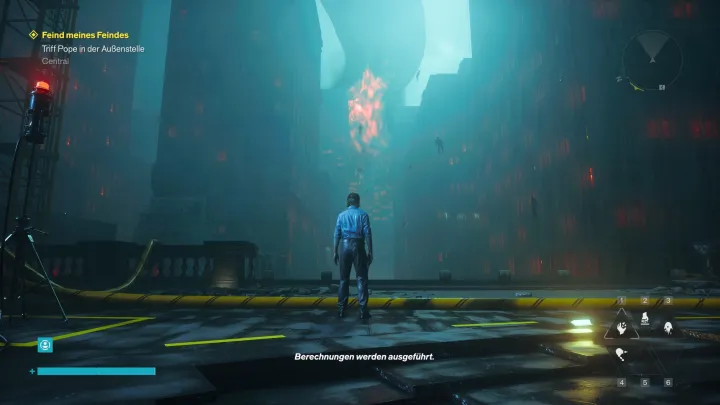
Resident exception: Control Resonant. Remedy's sequel dropped September 24, and it makes an RTX 5090 work for a living. IgorsLAB ran it through a demanding outdoor scene, and the numbers tell a specific story.
At 4K with medium ray tracing, the 5090 averages 96.5 FPS. Path tracing in Ultra goes much further. The core finding: the RTX 4090 still leads in pure rasterization, but ray tracing closes that gap and tips it toward the newer Blackwell cards. The 5090 is the only chip with comfortable 4K reserves without leaning hard on frame generation.
Frame gen is its own trade. 6x Multi Frame Generation takes a real ~53 FPS to roughly 220 displayed frames at 4K, and latency creeps to about 45ms with 2x gen versus 79 without. You're swapping input lag for frames. That's always the deal.
It needs 120 GB of storage and asks for at least a GTX 1070. Older high-end AMD cards fall behind on the maximum render paths. The test rig was an undervolted Ryzen 9800X3D behind a Be Quiet! 1,600W supply, because apparently we've gotten used to that.
IgorsLAB: Control Resonant Review: Technology, Benchmarks and Verdict
Control Resonant impresses in testing with a more open world, melee combat and strong PC technology. Benchmarks reveal high demands from ray tracing and path tracing.