NVIDIA's new RTX Spark silicon is the standout here, powering both the $2,600 Surface Laptop Ultra and MSI's ~$4,400 EdgeMesa N AI+ mini-PC, each with up to 128 GB of unified memory for heavy local AI work. The NZXT Kraken Plus 360 RGB adds a customizable 1.8-inch LCD pump screen for a reasonable $149.99. Not everything lands cleanly, though: the Sihoo B300 Pro chair packs endless adjustments but earns just 7/10 for real-world comfort, while the Logitech G PRO X2 RAPID 8K keyboard impresses at 91% despite being wired only. Tied together, the group shows that unified memory is reshaping the AI-machine category, build quality keeps winning praise, and specs still don't guarantee comfort.
Six hardware reviews just landed, and NVIDIA's RTX Spark is the story
NVIDIA finally got its moment in the spotlight. Two very different machines, both powered by the same brand-new RTX Spark silicon, just showed up in reviewers' hands. One's a convertible laptop. The other's a mini-PC roughly the size of a shoebox. Together they settle a question everyone's been circling: does 128 GB of shared memory actually change what a Windows AI machine can do?
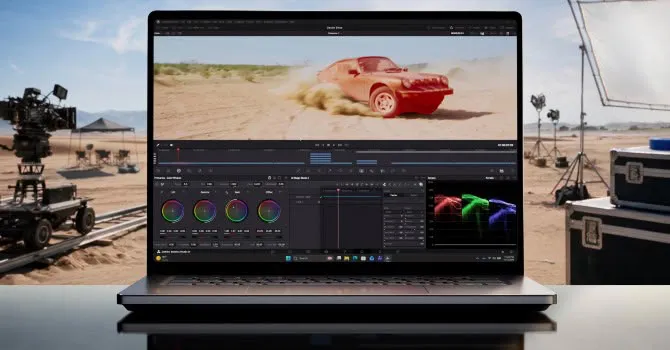
The Surface Laptop Ultra is the first Surface with NVIDIA inside. It isn't a discrete GPU bolted onto an Intel chip. Instead NVIDIA built an SoC where an Arm CPU and a Blackwell GPU live in one package, sharing a single pool of memory. TechPowerUp says it "sits in a class of its own," which is a bold thing for a laptop to say about itself.
The specs mostly back it up. The NVIDIA N1X packs 20 Arm cores and up to 128 GB of unified LPDDR5X-9400. The display is a 15-inch mini-LED running 3270×2180 at 120 Hz. Three of the ports are 40 Gbps USB4, and there's a magnetic charging link too. It weighs a hair under 2 kg, though, so "ultra" is doing some work.
The price is where things get honest. It starts at $2,600, but the 128 GB test config runs $5,900. That's genuinely top-tier money. TechPowerUp leans positive on capability and efficiency, but it puts the burden on you: is local AI really worth that kind of cash? At a time when every manufacturer is quietly shrinking specs and nudging prices up, NVIDIA shipping 128 GB of unified memory on a laptop feels almost startling.
TechPowerUp: Microsoft Surface Laptop Ultra Review - The Next-gen Arm Laptop
Microsoft's Surface Laptop Ultra, powered by NVIDIA RTX Spark, is a well-built machine with a spectacular screen and superb touchpad. As a mobile AI workstation, it sits in a class of its own for efficiency and capability. No other Windows laptop gives you this much GPU-accessible memory, together with the full NVIDIA software stack, in such a refined package.
Microsoft Surface Laptop Ultra Review - The Next-gen Arm Laptop
The same chip, on your desk
MSI took that same RTX Spark N1X and dropped it into a mini-PC. The EdgeMesa N AI+ carries the identical 6,144-core Blackwell and the same 128 GB unified pool. It even plays games, if you're willing to be patient about it.
Tom's Hardware frames the situation more cautiously. The real question here is "how much are you willing to give up for Windows?" That's a fair way to put it. The desktop trades the DGX Spark's multi-unit clustering for a self-contained box you can actually see and touch.
Tom's Hardware: MSI EdgeMesa N AI+ review: RTX Spark power comes to Windows on Arm desktops, but there are trade-offs
How much are you willing to give up for Windows?
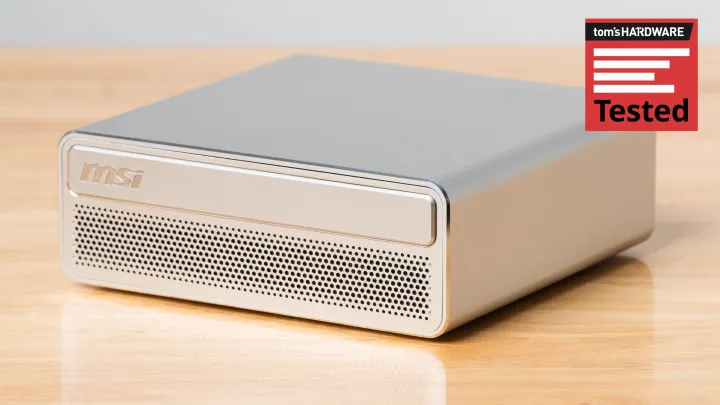
Cost is the sticking point. Amazon lists a 1 TB config at $4,399.99. The review unit Tom's Hardware got ran closer to $7,500. Keep in mind that you can buy one, but expandability and smart port placement aren't its strong suits. Head here for the full breakdown.
A cooler with a screen of its own
NZXT isn't just keeping your CPU cool with the 2026 Kraken Plus 360 RGB. It also gave it a display. The 1.8-inch transmissive LCD on the pump is larger and sharper than last year's, with a higher refresh rate and a new coolant-temperature readout. Inside sits an Asetek Gen9 pump running 1,200 to 3,200 RPM as load changes.
The single-frame fan assembly makes installation a genuinely pain-free affair. Noise lands around 33 dBA per fan, which is on the reasonable end. The catch is that whole-build "RGB Auto Sync" needs an optional Control Hub, and you'll want to check case compatibility before mounting.
The Guru of 3D: NZXT Kraken Plus 360 RGB (2026) review: 360mm AIO with a Customizable 1.8-Inch LCD
The NZXT Kraken Plus 360 RGB (2026) is a 360mm all-in-one liquid CPU cooler built around an Asetek Gen9 pump, a copper cold plate and a customizable 1.8-inch LCD. Its 360 × 360 display runs at 60Hz and 350 cd/m², showing custom images, GIFs, live system information and web integrations.
NZXT Kraken Plus 360 RGB (2026) review: 360mm AIO with a Customizable 1.8-Inch LCD
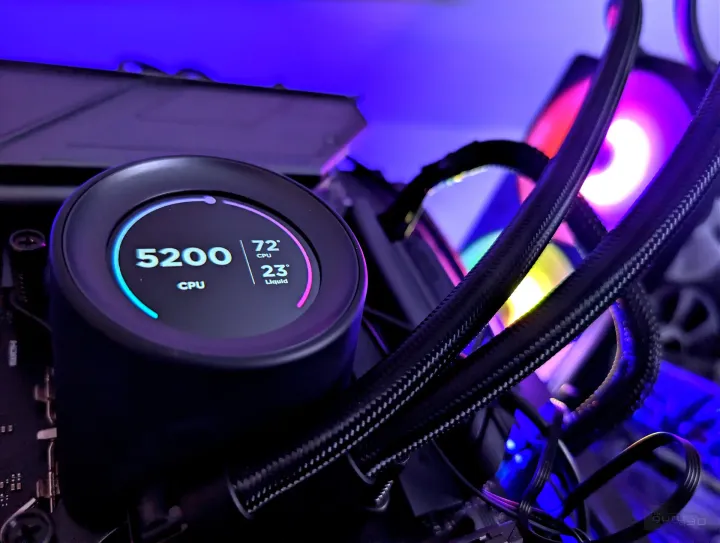
For what it's worth, it's a bit of a showoff cooler. But at $149.99 with a six-year warranty, it's an affordable one.
A chair that proves spec sheets lie
The Sihoo B300 Pro arrived with an astonishing array of adjustments for around £250. On paper it beats chairs that cost twice as much. In practice? KitGuru's reviewer called it "one of the most ill-fitting chairs I have ever tested." It scored a 7 out of 10.
KitGuru: Sihoo B300 Pro Review
The Sihoo B300 Pro enters the competitive ergonomic office chair market at around £250, packing an astonishing array of adjustments typically reserved for chairs twice its price. With an all-mesh breathable design, a 5cm height-adjustable backrest, 3D flip-up armrests, and weight-sensing automatic recline, it looks like a good value proposition on paper. But does this extensive spec sheet actually translate to all-day seating comfort?
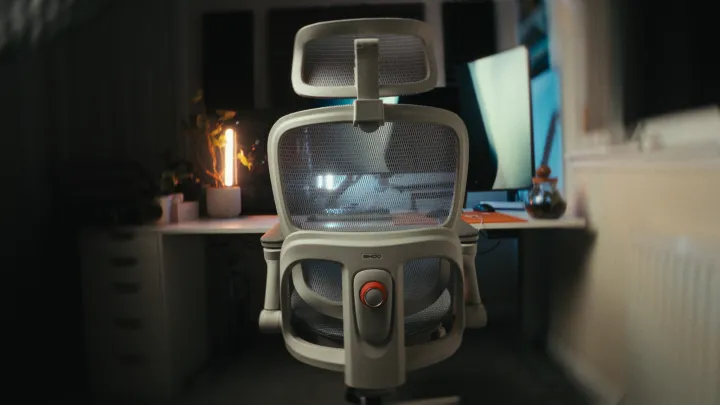
The problem isn't a shortage of features. The lumbar pushes your torso forward so your back and headrest can't make contact. The minimum seat depth runs too long for shorter users, leaving a hard-plastic edge digging into your knees. It even rattles when you shift your weight. Adjustability isn't the same as comfort, and this chair is a textbook reminder of that.
Budget audio, and a keyboard built to impress
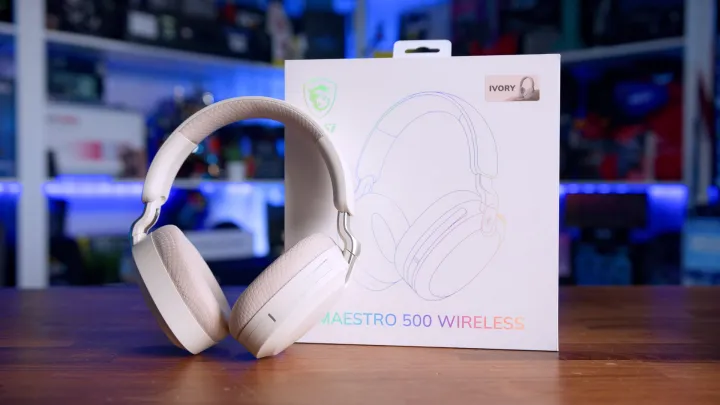
MSI is known for GPUs and motherboards, but its peripheral range is bigger than you'd expect. The Maestro 500 Wireless Ivory lands at £69.99. It does tri-mode connectivity, 2.4 GHz, Bluetooth 5.4, and wired, with a 90-hour battery and active noise cancellation. The only gripe worth naming is that the USB-C port charges only, no audio over USB-C. For the price, it's a solid mid-budget pick.
eTeknix: Maestro 500 Wireless Ivory Headset Review
MSI is best known for its award-winning graphics cards and motherboards, but that’s far from the only thing they produce. With a product range that spans gaming monitors, chairs, full gaming PCs…
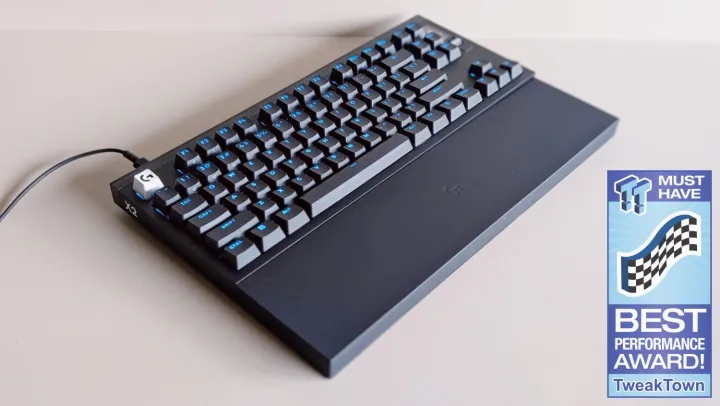
Then there's the Logitech G PRO X2 RAPID 8K. TweakTown called it "arguably the company's best-feeling keyboard to date," landing at 91 percent overall. You get 8,000 Hz polling, analog magnetic switches with per-key actuation in 0.05 mm steps, and six dampening layers that turn typing into a crisp, thocky affair. It's wired only, which draws a little criticism, and there's still no web-based customization. At $229.99 the performance and build quality make a strong case for themselves anyway.
TweakTown: Logitech G PRO X2 RAPID 8K Review - Logis Best Analog Gaming Keyboard to Date
The Logitech G PRO X2 RAPID 8K delivers fantastic performance, but the build quality and overall typefeel are the best we've seen from the company.
Logitech G PRO X2 RAPID 8K Review - Logis Best Analog Gaming Keyboard to Date