Windows Package Manager v1.29 Release Candidate Fixes Search Ordering and Adds Source Priority
The latest release candidate for Windows Package Manager brings long overdue control over search results and installer behavior. Users will get to dictate which package sources take precedence, preserve custom installation flags across system rebuilds, and run cleaner automation scripts without messy progress output cluttering the terminal. This update targets the exact friction points that have annoyed power users since winget first shipped.
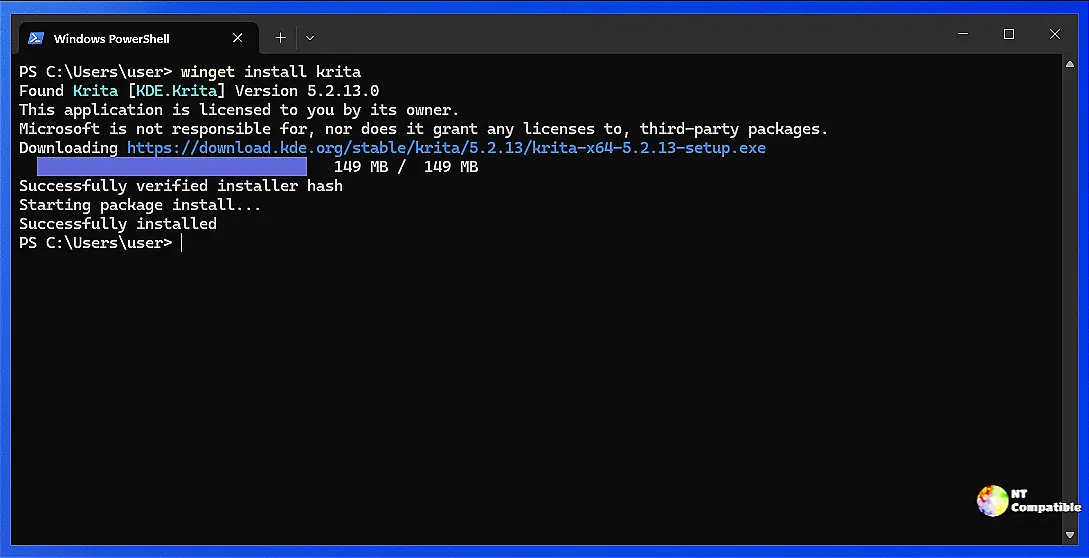
Windows Package Manager source priority changes how results get sorted
The new source priority feature lets administrators assign a numerical value to each configured package repository. Higher numbers push those sources to the top of search results when match quality and field alignment are identical. Sysadmins routinely waste hours chasing down which source pulled the wrong installer version after a bad manifest update, and this priority system directly stops that bleed. The experimental toggle sits under sourcePriority and remains disabled by default until users explicitly enable it through settings. Once active, commands that target available packages will automatically pick the highest priority result instead of throwing a disambiguation error when multiple sources return overlapping entries. REST sources like msstore also get corrected match criteria so they stop jumping to the top of results just because of how their API structures data.
Export and import remember installer tweaks
Running winget export now captures both override and custom arguments that were originally applied during installation. Those values get baked into the exported file so a subsequent winget import reapplies them without manual intervention. This solves the recurring headache of rebuilding machines where every application needs slightly different silent switches or custom directory paths. The feature treats each argument type independently, meaning packages installed with standard defaults remain completely unaffected. Automation workflows that rely on backup and restore cycles will stop losing those hard to track installer parameters after a clean Windows reinstall.
Automation gets cleaner with progress flags and sorting
A new --no-progress flag disables all visual progress bars and spinners across every command. This takes precedence over the visual.progressBar setting and keeps terminal output strictly machine readable for scripts or remote sessions where animated output breaks parsing logic. The list command also gains a --sort parameter that accepts fields like name, version, source, and relevance alongside ascending or descending direction flags. A persistent output.sortOrder setting remembers the preference across sessions so administrators do not need to repeat sorting arguments every time they query installed software. Redirected output no longer truncates columns when piping results to files or variables, which means log analysis tools can actually read the full table without missing critical version data.
PowerShell module and DSC improvements matter for admins
The PowerShell module now automatically pulls authentication tokens from GH_TOKEN or GITHUB_TOKEN environment variables when querying GitHub sources. This bumps up API rate limits significantly and prevents CI pipelines from failing mid deployment due to throttled requests. Debugging token usage becomes straightforward with the -Verbose flag so administrators can verify which credential actually gets passed through. DSC v3 resources also receive a proper boolean default for the useLatest property, fixing schema validation errors that previously broke configuration processor runs. Installer type selection now follows a strict hierarchy that prioritizes MSIX packages over MSI installers, then falls back to standard EXE or portable executables when user preferences do not override the behavior.
Log naming and signature fixes round out the release
A new logging.fileNameStrategy setting controls how installer log files get named during deployment. Options include manifest based names with timestamps, pure timestamp strings, full GUIDs, or shortened eight character identifiers. This keeps audit trails organized when troubleshooting failed installations across hundreds of endpoints. The source creator tool now supports RFC 3161 timestamp servers through the TimestampServer property, embedding countersignatures that keep package signatures valid even after the original certificate expires. Path quoting fixes prevent signtool and makeappx from choking on directories containing spaces, which has been a persistent pain point for developers packaging software in standard user folders.
Release Windows Package Manager 1.29.250
This is a release candidate of Windows Package Manager v1.29. If you find any bugs or problems, please help us out by filing an issue. New in v1.29 New Feature: Source Priority NoteExperimental und...
Release Windows Package Manager 1.29.250 · microsoft/winget-cli
The release candidate still carries experimental toggles by default, so testing in a controlled environment before pushing to production machines makes sense. The underlying changes target real workflow bottlenecks rather than adding another layer of configuration menus. Give the build a spin and report any regressions back to the project repository before the stable version ships.


