Microsoft Ships Two PowerToys Previews in 48 Hours, Text Extractor Finally Gets a WinUI 3 Overhaul
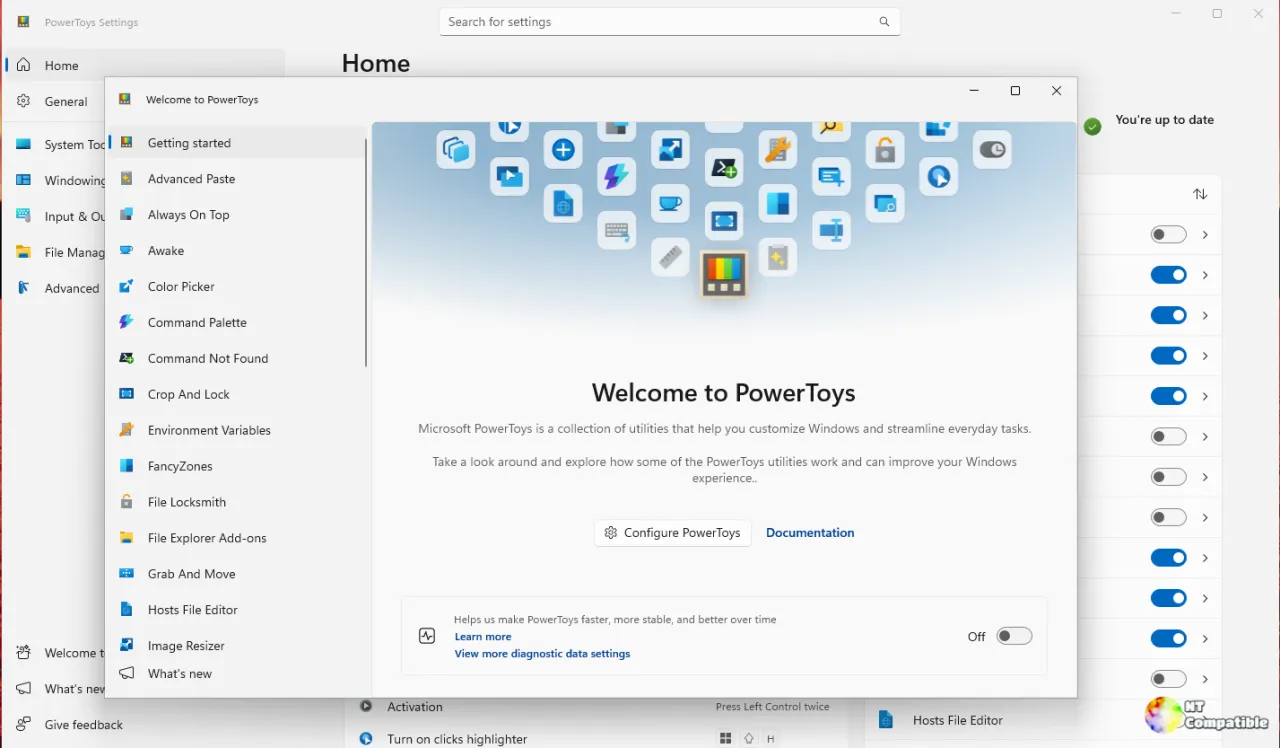
Microsoft dropped two PowerToys Preview builds in less than two days. The v0.101.2512.0 preview landed on September 9, followed by v0.101.2522.0 roughly 24 hours later. If you are running these builds today, you will notice two very different philosophies stacked on top of each other. The first one was pure hardening. The second one quietly moved an entire module off legacy WPF.
The September 9 build had a narrow mandate. Five pull requests merged in roughly a week. That is the whole show for this preview. The headline fix tackles a Command Palette keyboard shortcut regression that had been open since February. Microsoft finally added a LosingFocus event handler to the ShellPage control so clicks outside the search bar no longer dump keyboard input into the void. There is also an expanded installer process termination list that now covers 65 executables instead of 54. That should stop updates from stalling when leftover CLI helpers lock files on disk.
A full WinUI 3 migration and the Command Palette polish
The September 10 preview is where things get architecturally interesting. Text Extractor, the module you use for on-screen OCR, got the full WinUI 3 treatment. Yu Leng (@moooyo) led the charge with 41 commits that strip out every last line of WPF production code. The OCR engine logic was pulled into a UI-independent core library, the overlay system now uses native WinUI 3 windowing with mixed-DPI handling, and localization moved from .resx to .resw. Microsoft says no features, settings, or GPO behavior were lost in the transfer. That is a bold claim for a full framework migration, though the preserved telemetry and explicit backward-compatibility notes suggest the team took it seriously.
Command Palette got a similar treatment for responsiveness. Jiří Polášek (@jiripolasek) prioritized the initialization of visible list items so icons and text appear sooner instead of waiting for background rendering to catch up. Arrow keys and suggestion shortcuts also stopped getting double-processed in the grid view. Clint Rutkas (@crutkas) restored Window Hopper's original dark card overlay after a theme-aware redesign caused backdrop and thumbnail rendering headaches. The fix uses documented PrintWindow APIs and forces immersive dark mode so the acrylic tints stay consistent.
ZoomIt rounded out the preview with smoother zoom animations. The team had to fight with the Magnification API to stop fractional live viewports from spitting out black frames. They also ran into a cold-start wall. Recreating the WC_MAGNIFIER control on every deactivation ate roughly 200 milliseconds and allocated around 76 megabytes of fullscreen surfaces. Their first fix kept the window resident to cut activation time down to 19 milliseconds. It failed. The magnification engine kept the cursor hostage until it changed shape, forcing a full revert. The root cause is understood, but expect another fix later.
Testing is the quiet story
The real work here is happening in CI. Two new end-to-end test suites landed alongside the feature changes. Environment Variables finally has automated coverage for profile switching, PATH editing, and variable overrides, though UAC elevation scenarios remain strictly manual. Crop And Lock got its first real UI test run covering thumbnail and reparent modes across Windows 10, Windows 11, and ARM64 builds. Workspaces also picked up broader E2E coverage in Settings and Quick Access.
Microsoft is clearly investing in keeping the preview pipeline stable as it ships faster. Two previews in 48 hours is aggressive, but the expanded test matrix should catch regressions before they reach your desktop. Head here to grab the installers for v0.101.2522.0. The per-user x64 and ARM64 builds land at roughly 285 MB and 277 MB respectively. Machine-wide versions are available in the same GitHub release if you need system-level scope. Keep in mind that these are preview builds, so you will want a rollback plan ready before you run them on anything you cannot afford to wipe.
Head here to download the release from GitHub.


