AOC's new 720Hz dual-mode OLED monitor and Logitech's claimed 30ms latency drop on the Pro X2 Superstrike mouse are leading a wave of high-performance hardware reviews hitting today. Google's Pixel 11 series finally lands with an efficient Tensor G6 chip and camera upgrades, while ASRock's white X870E Taichi motherboard adds 10 GbE to AM5 builds at a premium price. Kioxia's Gen5 Exceria Pro G2 SSD is delivering sustained reads up to 14.9 GB/s, and cooler setups from Cooler Master's V8 ACE return alongside the 1024 Wh Aferiy P180Pro power station round out the coverage.
Daily Tech Roundup: 720Hz OLEDs, Pixel 11 Reviews Hit, and Logitech's 30ms Latency Claim Gets Tested
From ASRock's 10 GbE motherboard to Kioxia's 15 GB/s Gen5 drive, today's reviews cover the high-speed, high-framerate side of hardware.
If you're keeping score, the speed game just got even faster. AOC dropped a 720Hz dual-mode OLED display for esports, Logitech is betting its entire peripheral lineup on a claimed 30ms latency drop, and Google finally let reviewers touch the Pixel 11 series. Today's roundup pulls together the hands-on verdicts from Tom's Hardware, KitGuru, Club386, HotHardware, and a few others.
Displays and Peripherals
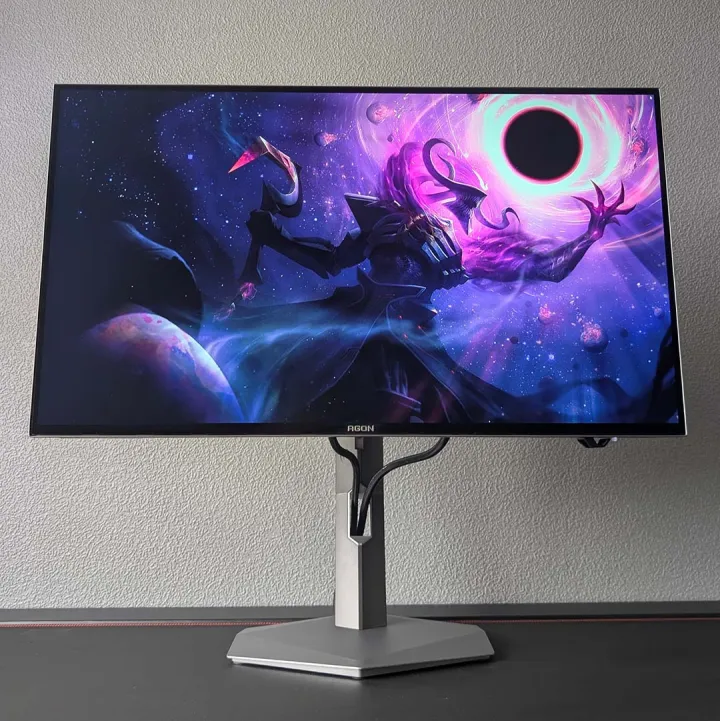
The AOC Agon Pro AGP277QKDC is, on paper, a monster. Club386 spent time with the 27-inch panel that flips between QHD at 540Hz and HD at 720Hz. OLED panels have gotten fast, but pushing 720Hz on something meant for competitive shooters is a different animal entirely. The review nails the tradeoffs. You get pixel-perfect response times and deep blacks, though the price point definitely aims at the upper tier of competitive gaming setups.
Club386: AOC Agon Pro AGP277QKDC review: a 720Hz dual-mode OLED gaming monitor for esports players
Sporting QHD/540Hz and HD/720Hz modes, the AGP277QKDC is a mighty fast OLED display with plenty of splendour to match its speed.
AOC Agon Pro AGP277QKDC review: a 720Hz dual-mode OLED gaming monitor for esports players | Club386
KitGuru took a longer look at Logitech's G Pro X2 Superstrike mouse. The company's pitch was straightforward. The new Haptic Induction Trigger System drops 30ms of input latency. On paper, that's the equivalent of jumping from 30 frames to over 300 frames per second. It sounds like the holy grail of competitive gaming peripherals. After daily driving it for three months, the verdict lands somewhere between impressive and "depends on how you measure skill." The tech undeniably changes how you pull the trigger, but whether it actually changes your crosshair placement is up for debate. Keep in mind that Logitech is trying to shift the industry conversation from raw polling rate to actual input-to-photon delay.
KitGuru: Logitech G Pro X2 Superstrike Review: Three Months Later
When Logitech announced the G Pro X2 Superstrike, they made a bold claim: an unprecedented 30ms competitive latency advantage thanks to their new Haptic Induction Trigger System (HITS). On paper, dropping 30ms of latency is the equivalent of jumping from 30fps to over 300fps in game. It sounds like the holy grail of competitive gaming peripherals. But after spending three months daily-driving this mouse, does this revolutionary tech actually translate to real-world aiming performance, or is it just clever marketing?
Logitech G Pro X2 Superstrike Review: Three Months Later - KitGuru

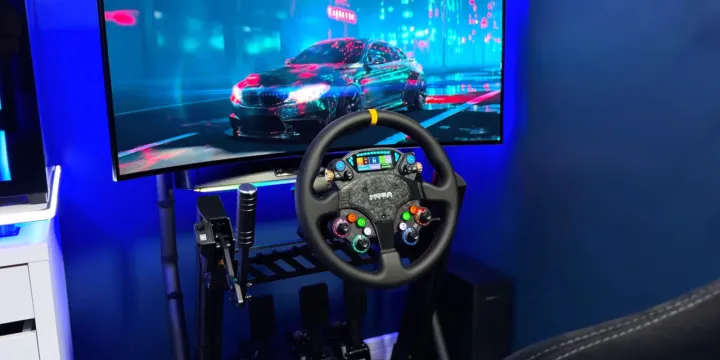
MOZA also got a fresh look at PC Perspective. Their CS Pro wheel paired with the R9 V3 DirectDrive base aims squarely at sim racers who want tactile feedback without the gear shift noise of belt-driven systems. The review leans into the hands-on feel of the direct drive setup, which has become the gold standard in the sim racing space. I've spent enough evenings wrestling with force feedback to know that direct drive is a genuinely different breed of hardware.
PC Perspective: MOZA CS Pro Wheel and R9 V3 DirectDrive Base Review
MOZA CS Pro Wheel and R9 V3 DirectDrive Base Review One thing often leads to another. This particular review is the perfect encapsulation of that simple
MOZA CS Pro Wheel and R9 V3 DirectDrive Base Review - PC Perspective
Mobile and Desktop
HotHardware wrapped up the Google Pixel 11 series. The Pixel 11, 11 Pro, and 11 Pro XL ride on the new Tensor G6 chip, and the headline here is efficiency rather than raw benchmark dominance. Camera hardware got bumped up too. HotHardware's framing makes sense. The Pixel 11 isn't trying to outsprint the iPhone or Samsung flagships on paper. It's optimizing the daily experience instead. The experience really is the upgrade.
HotHardware: Google Pixel 11 Series Review: The Experience Is The Upgrade
Google’s Pixel 11, Pixel 11 Pro and Pixel 11 Pro XL improve on the Pixel 10 with an efficient Tensor G6, camera upgrades, and smart new software
Google Pixel 11 Series Review: The Experience Is The Upgrade

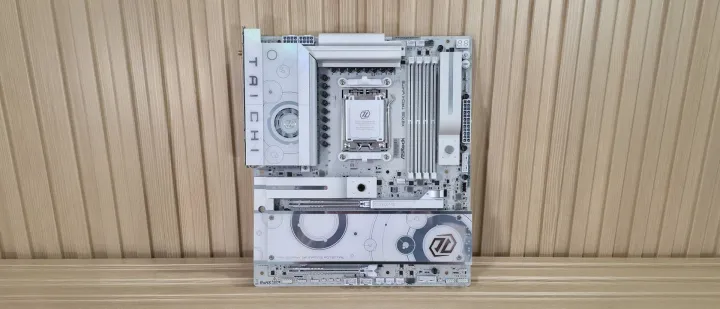
If you're building an AM5 rig and prefer clean aesthetics, Tom's Hardware has the ASRock X870E Taichi White under the microscope. The board adds 10 GbE to the standard X870E feature set, and the white PCB looks exactly as crisp as the name implies. The catch is the current pricing, which Tom's Hardware notes will probably give some builders pause until stock settles and prices drop. However, at the same time, the integrated 10 GbE NIC saves you a slot and a card, which matters if your network gear is already maxed out.
Tom's Hardware: ASRock X870E Taichi White Motherboard Review: A Taichi washed in white, now with 10 GbE
X870E Taichi White looks awesome and adds 10 GbE, but its current price will be off-putting to some.
ASRock X870E Taichi White Motherboard Review: A Taichi washed in white, now with 10 GbE
Storage, Cooling, and Power
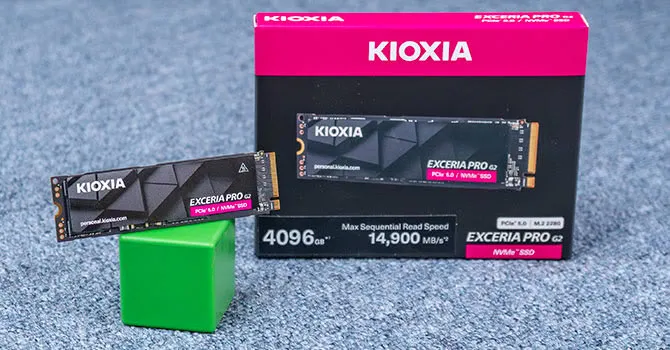
Storage just got a serious speed bump. The Kioxia Exceria Pro G2 4 TB is pushing up to 14.9 GB/s reads and 13.7 GB/s writes over PCIe Gen 5. TechPowerUp's review highlights the massive SLC cache and DRAM buffer that keep sustained writes from throttling. It's built for gamers and content creators who actually fill a drive, and the power draw stays reasonable under load. Next, the 4 TB capacity. It's enough to actually make Gen5 speeds noticeable for daily tasks, not just synthetic benchmarks.
TechPowerUp: Kioxia Exceria Pro G2 4 TB Review
The Kioxia Exceria Pro G2 4 TB SSD delivers blazing speeds of up to 14.9 GB/s read and 13.7 GB/s write, powered by PCIe Gen 5. With a large SLC cache, plus DRAM, and impressive sustained writes, it's ideal for gamers and demanding tasks, all while maintaining energy efficiency for high performance without overheating.
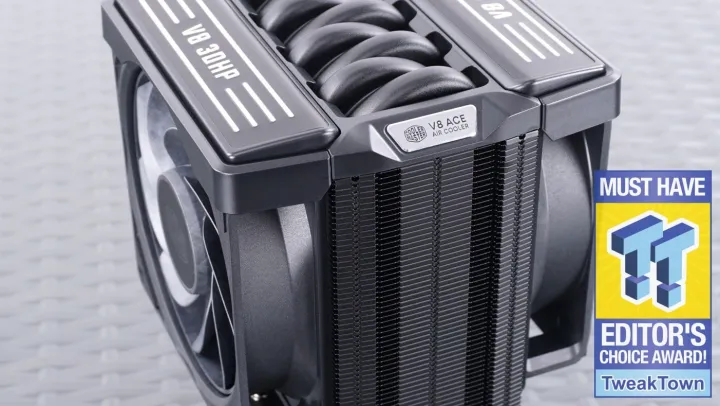
Cooler Master brought back the V-series with the V8 ACE 3DHP BLACK. TweakTool's take is that it's a solid return to form, mixing a dual MasterFan 120 setup with a more aggressive, engine-inspired shroud. It's not cheap, but the cooling headroom and acoustics check out for modern high-TDP CPUs. The design is a little loud for a library, though the thermal numbers more than compensate.
TweakTown: Cooler Master V8 ACE 3DHP BLACK CPU Cooler Review
Cooler Master's V8 ACE 3DHP BLACK CPU air cooler returns the V-series with a bold engine-inspired design and dual MasterFan 120 fans.
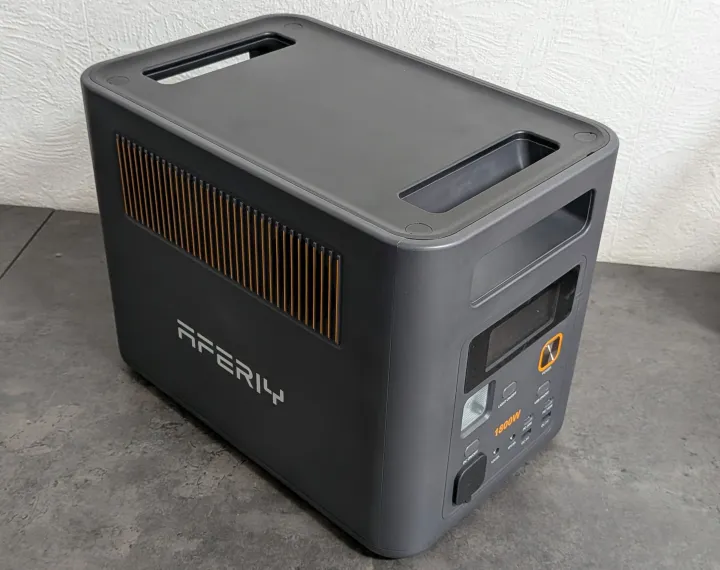
For those off-grid, IgorsLAB tested the Aferiy P180Pro. The 1800W inverter and 1024 Wh capacity handle everyday appliances just fine, and the 10-ms UPS response means your rig won't even hiccup during a power cut. Solar charging is where the numbers get real. IgorsLAB found it maxed out at 76 watts against a rated 100 watts, which is a familiar story across the portable power market. Not cheap for the solar input, but the rest of the spec sheet holds up.
IgorsLAB: Aferiy P180Pro: Review of the 1024-Wh Portable Power Station
The Aferiy P180Pro performs well in practical use with 1800 watts, 1024 Wh and a 10-ms UPS, but remains below the rated 100 watts when charging via solar, reaching a maximum of 76 watts.
Aferiy P180Pro: Review of the 1024-Wh Portable Power Station